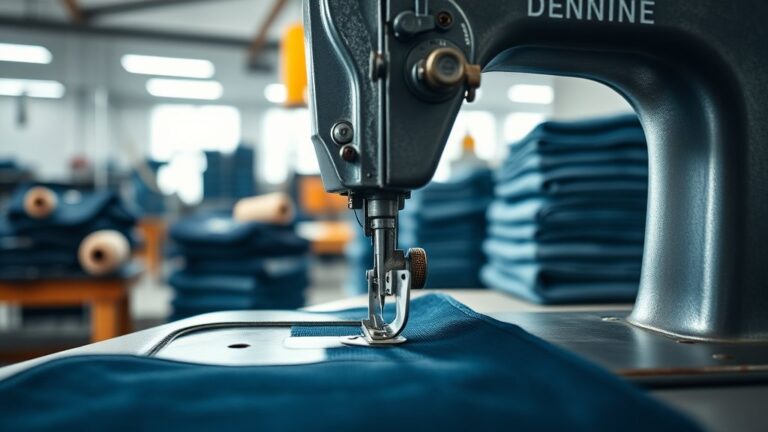
Denim, a fabric that’s now a staple in closets worldwide, has a surprisingly modest beginning. Originally, denim fabric was used for workwear, thanks to its durability and resistance to wear and tear. Imagine the miners and laborers of the 19th century—denim was their go-to. Little did they know, this rugged material would become a fashion icon.
From its inception in Nîmes, France (yes, that’s where the name “denim” comes from—sergé de Nîmes), to its adoption by Levi Strauss in the United States, this fabric has come a long way. Initially, it wasn’t about fashion at all. It was about function. And boy, did it serve its purpose well. But as time went on, denim started creeping into everyday life, transcending its utilitarian roots.
Fast forward to today, and denim isn’t just for those who need sturdy clothes. It’s for anyone who wants to make a statement. From jeans to jackets to skirts, denim is everywhere, showing just how far it’s come from those early days of hard labor. Today, businesses often source their materials through fabric wholesale suppliers to meet the high demand for denim products.
The rise of iconic denim brands
Speaking of Levi Strauss, let’s talk about how brands have shaped the denim landscape. Levi’s isn’t just a brand; it’s practically synonymous with denim itself. Founded in 1853, Levi Strauss & Co. revolutionized workwear with their riveted jeans. It didn’t take long for these jeans to become popular beyond the workforce.
Then came other iconic names like Wrangler and Lee, each bringing something unique to the table. While Levi’s focused on durability, Wrangler catered to cowboys and rodeo riders. Lee was all about innovation, introducing the first zip-fly jeans. These brands didn’t just sell clothes; they sold lifestyles. And people bought into it—literally and figuratively.
Today, we have luxury brands like Gucci and Balmain giving denim their own spin, elevating it to high fashion status. It’s incredible to think about how a fabric meant for workwear has become a canvas for some of the most creative minds in fashion.
How denim fashion evolved through the decades
The journey of denim through the decades is nothing short of fascinating. The 1950s saw denim as a symbol of rebellion, thanks to icons like James Dean and Marlon Brando. Wearing jeans was almost an act of defiance against the norm—a far cry from its utilitarian beginnings.
By the 1970s, denim had fully infiltrated mainstream fashion. Bell-bottoms and embroidered jeans became the rage, embodying the free-spirited vibe of the era. It wasn’t just about wearing jeans; it was about making a statement with them.
The 1980s introduced acid wash and high-waisted styles, while the 1990s embraced grunge with ripped and baggy jeans. Today, denim is more versatile than ever. Skinny jeans, boyfriend jeans, distressed styles—you name it, there’s a version out there. It’s clear that denim isn’t just a trend; it’s a timeless staple that adapts with each generation.
Behind the scenes of denim production
The magic of denim starts long before it hits the shelves. It all begins with cotton, spun into yarn and then dyed—usually with indigo. This dyeing process is what gives denim its characteristic deep blue hue (and those lovely fades over time).
Next comes weaving—most commonly in a twill pattern—which gives denim its durability and unique texture. The fabric is then washed and treated to achieve various finishes, from raw denim to stone-washed looks. Each step requires precision and care to ensure that every piece of denim meets the high standards we’ve come to expect.
What many don’t realize is how much innovation goes into this age-old fabric. From laser technology used for distressing to eco-friendly dyes and sustainable practices, denim production is constantly evolving.
Sustainability and innovation in denim
Sustainability is a hot topic in fashion these days, and denim is no exception. Traditional methods of production can be water-intensive and environmentally taxing. Enter sustainable practices like using organic cotton, recycling water in the dyeing process, and even creating biodegradable denim.
Brands are also getting creative with their approaches to sustainability. Some use laser technology to create distressed looks without harmful chemicals or excessive water use. Others incorporate recycled materials into their fabrics or offer programs for recycling old jeans into new products.
Innovation doesn’t stop at sustainability. Stretch denim blends for comfort, antimicrobial treatments for hygiene, and moisture-wicking properties are just some examples of how brands are pushing the boundaries to make denim not only stylish but also functional for modern life.
The business side of denim today
Denim is big business—there’s no denying that. The global market for jeans alone is worth billions of dollars annually. What’s fascinating is how this simple fabric has created such an expansive industry with countless niches—from luxury designer lines to affordable fast fashion options.
Brands are continually competing to offer something new and exciting while staying true to the timeless appeal of denim. Marketing campaigns often play on nostalgia while introducing innovative designs and features that cater to contemporary tastes.
In today’s digital age, e-commerce has made it easier than ever to buy (and sell) denim from anywhere in the world. Social media influencers and fashion bloggers also play significant roles in shaping trends and driving sales, making denim not just a piece of clothing but a lifestyle choice.
{tw_string}
